

A bumper-and-quarter-panel job sits open 11 days after teardown; the supplement has been sent; parts are only half-confirmed; the insurer still has not responded; and now the morning review is drifting toward who dropped the ball. That is where an aged Work In Progress (WIP) review either restores control or teaches the team to get defensive. The leadership job is not to hunt for someone to blame. It is to identify the stalled decision, name the blocker, and assign the next move.
Most aged WIP problems are not really about production effort. They are about unresolved approvals, unclear ownership, or decisions that lingered too long. A supplement may be waiting on insurer response timing. A customer may still need to approve a deductible balance. Parts may be sitting in partial status because nobody made a firm sourcing call, or an ADAS calibration may not be scheduled because the handoff was never fully owned.
That is why the review has to stay factual. The best question is not, “Why is this still here?” It is, “What decision is blocking forward motion right now?”
Once that is clear, the conversation gets more useful. “Supplement sent Tuesday at 3:40 p.m., no reply in two business days” is useful. “This always happens” is not. “Customer has not approved the repair plan after two contacts” is useful. “Front office is slow again” is not.
A good aged WIP review also leaves no repair orders floating without ownership. Every stalled vehicle should leave the meeting with one next action, one owner, and one deadline. If the issue is insurer follow-up, say who is escalating it and by when. If the issue is customer approval, say who is making contact and when the repair order moves to hold status. If the owner or manager is the decision blocker, that should be named just as clearly.
The meeting is for solving stuck work, not correcting people in public.If someone has a repeated pattern, coach them after the review.
In the room, keep the standard simple: surface the blocker, decide the next move, and make ownership visible. That is how a collision repair shop reviews aged WIP without turning it into a blame session.
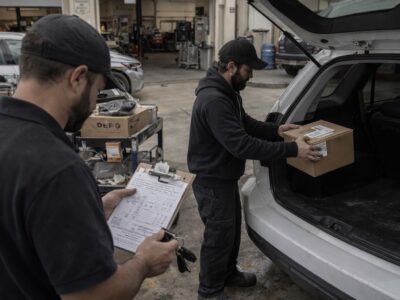
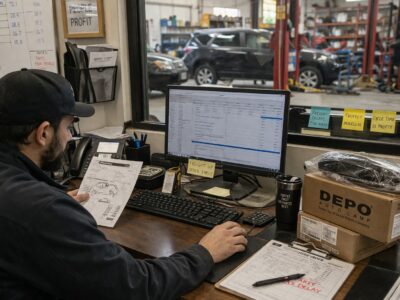

What usually turns your aged WIP review sideways: unclear ownership, weak escalation, or the room getting too personal?