
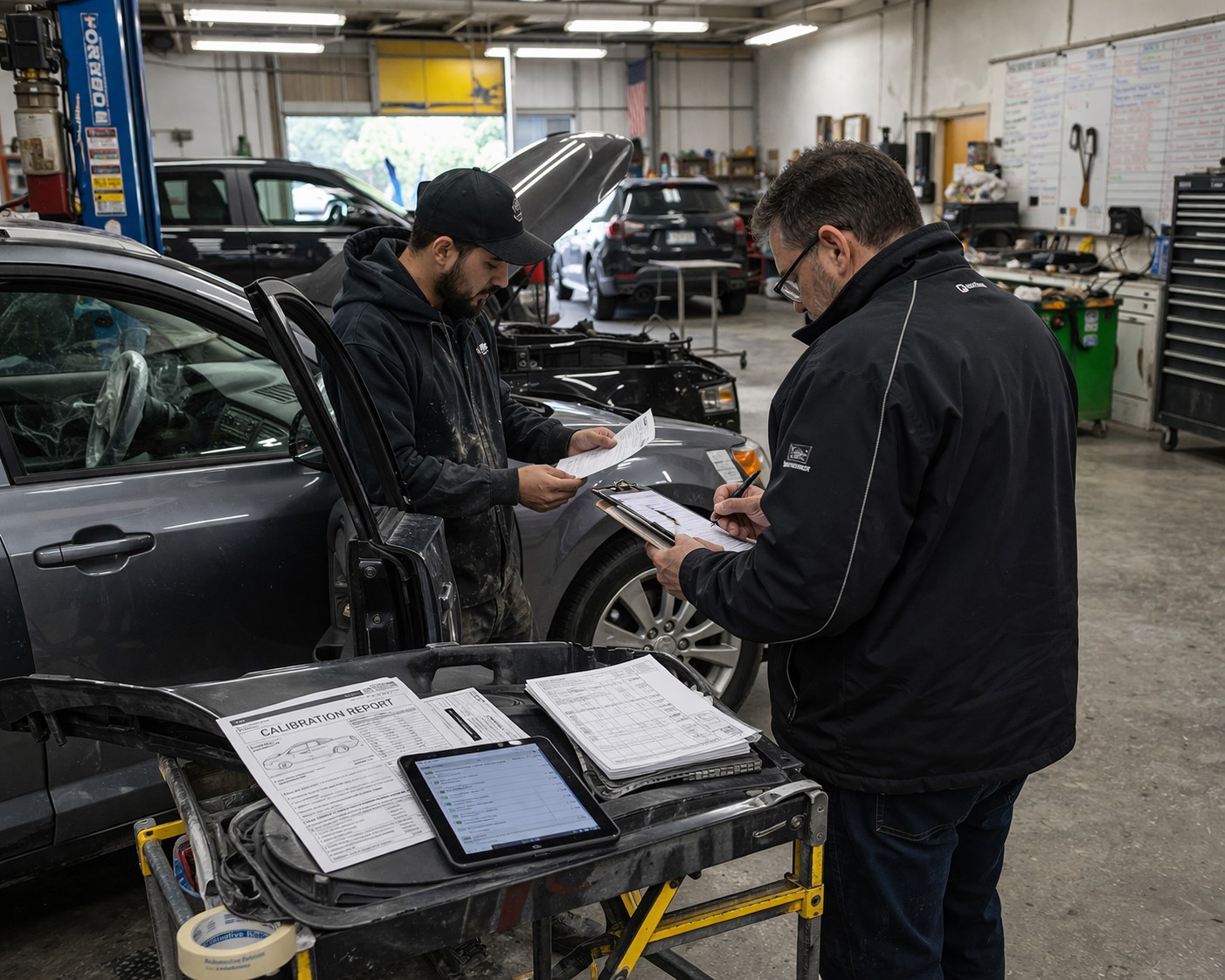
A vehicle comes back from sublet calibration at 2:30, the porter parks it near detail, the advisor sees it on the lot, and by 4:15, someone asks whether the customer can pick it up tonight. Then the scan report is still missing, the calibration invoice is not attached, and nobody has confirmed the fault-code status against the repair order. That chain turns a returned vehicle into a false-ready delivery risk. The operational concept is simple: every vehicle returning from calibration needs a re-entry check before it moves forward.
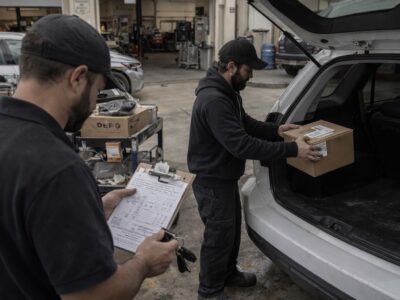
This happens in independent collision repair shops because the physical car returns before the administrative file catches up. Once the vehicle is back on site, the team feels pressure to treat it like the hard part is over. But a returned vehicle is not the same as a cleared vehicle. If the report is incomplete, the invoice is missing, or the post-calibration status is still unclear, the repair order is still open in a meaningful way.
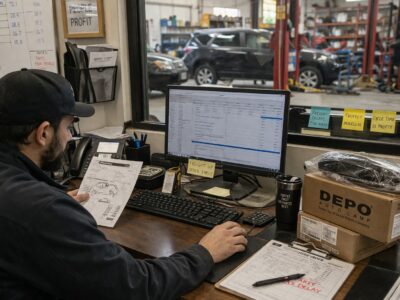
The fix is to create one gate between the sublet return and the next production step. Before the vehicle goes to wash, quality control, or delivery prep, one person should confirm three things: the calibration documentation is in the file, the billing support is attached, and the repair order notes match the actual status of the vehicle. That keeps the production board honest and stops the front office from promising a pickup based on parking location instead of repair status.
A simple rule works in a small collision repair shop:
- No returned calibration vehicle moves to the ready status without the report in the file
- No delivery promise gets made until billing support is attached
- No repair order closes until someone verifies the returned status against the original need
Most collision repair shops do not get hurt because calibration was skipped. They get hurt because the vehicle came back, looked done, and moved faster than the paperwork, verification, and repair order flow behind it. A re-entry check keeps that last handoff from becoming the most expensive blind spot in the job.

What does your collision repair shop verify before a returned calibration vehicle can move to ready status?