
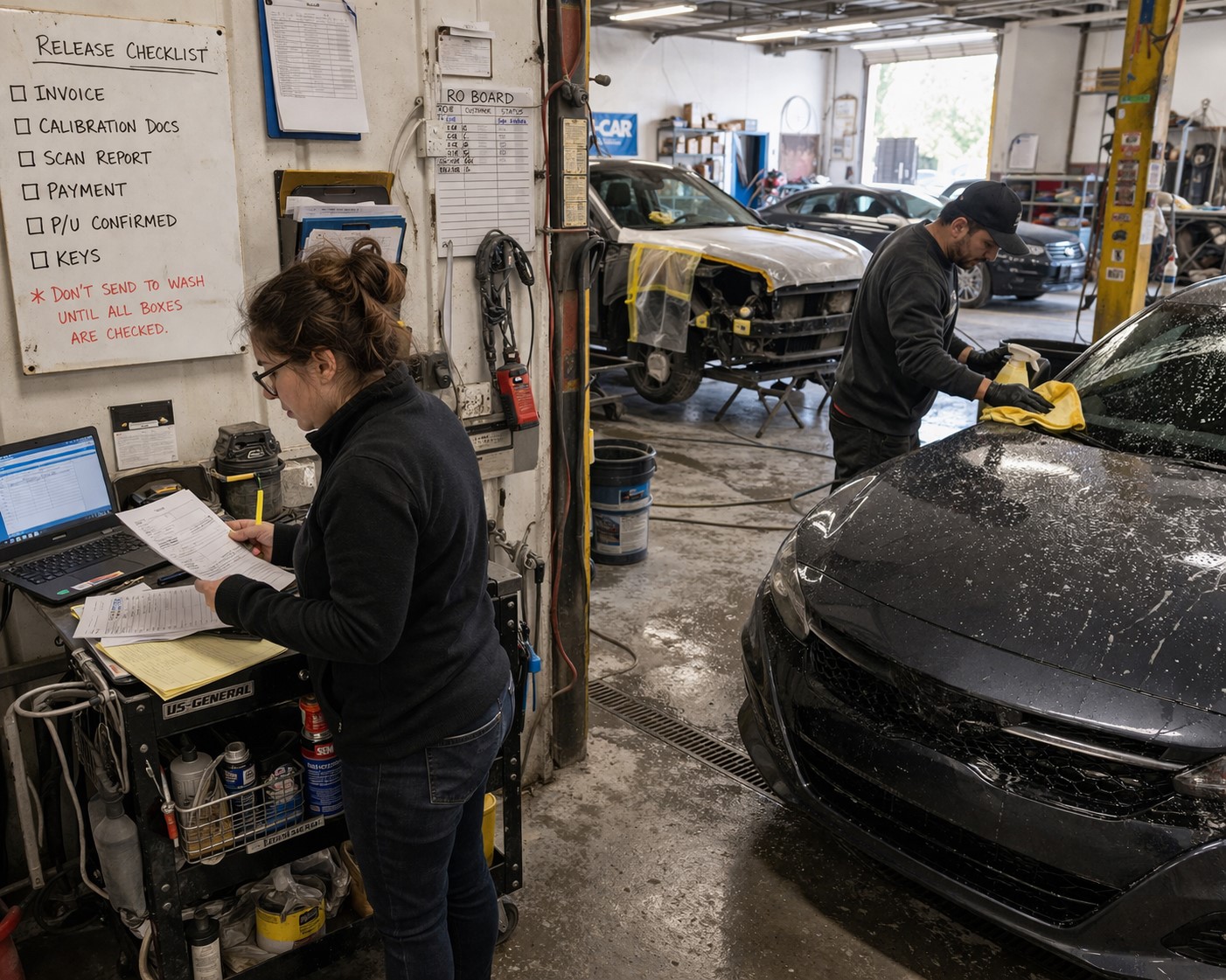
A vehicle clears paint on Thursday, sits overnight, and goes to the final wash on Friday afternoon. Then the calibration paperwork still needs to be printed, the final invoice is not closed, the customer has not confirmed pickup time, and the front office starts promising “later today” from a job that was never truly release-ready. That causal chain is not a detailing issue. It is a back-end sequencing problem.
A lot of collision repair shops treat the final wash like the last task before keys go out. In practice, it works better as the last visible task, not the last unresolved one. If the wash starts before the paperwork, payment path, and release steps are lined up, the collision repair facility creates false confidence. The car looks closed, but the file is still open.
That is why Friday mornings feel chaotic. The wash bay gets blamed, but the real delay started earlier when nobody checked whether the job was actually releasable. A clean vehicle with missing calibration documents, an unsigned invoice, or no confirmed pickup window is still not ready. It is just clean.
A better rule is simple: before the final wash begins, confirm four things:
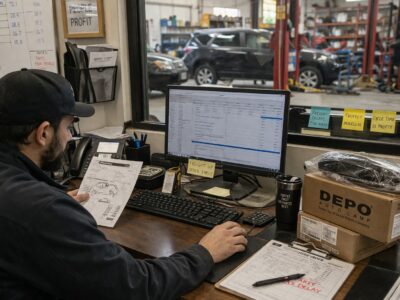
- The final invoice can be closed without waiting for one more internal answer
- calibration, scan, or sublet documents are already in the file
- customer pickup timing has been confirmed, not assumed
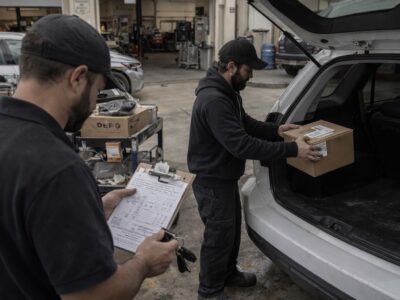
- keys, paperwork, and vehicle location are aligned for handoff
This matters more in a small independent collision repair shop because the same few people absorb the whole mess. The estimator gets pulled off the next job, the front office starts chasing signatures and payment, and the detailer ends up waiting on decisions that should have been made earlier. The wash did not make the Friday delivery slip. The collision repair shop sent the vehicle there too late in the release sequence.

What usually blows up your Friday deliveries first: paperwork, payment, or pickup timing?